{{postparts}}
{{title}}
{{text}}
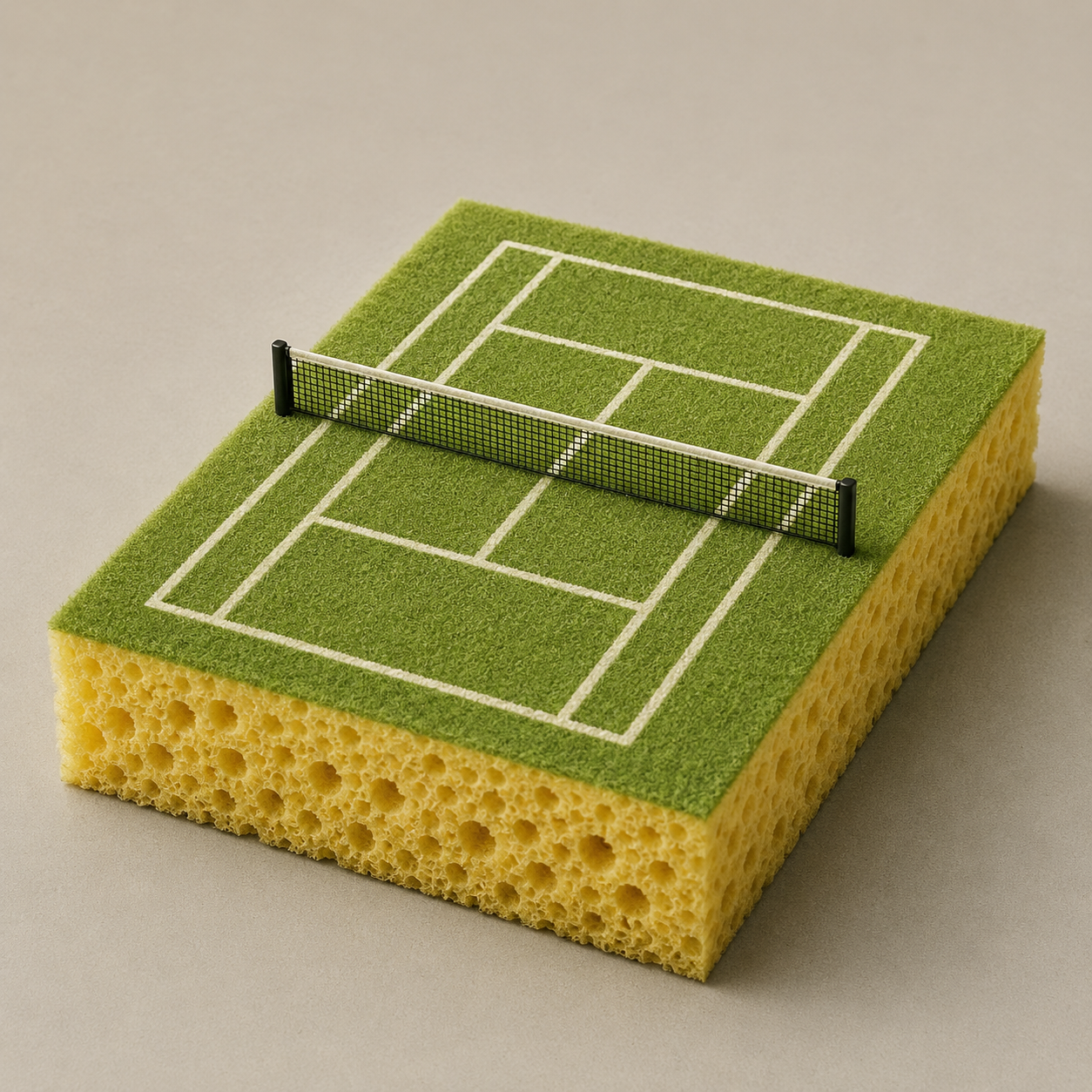
Sponge and honey
How One Creative Concept Can Generate an Entire Content Territory?
things → relationship → property → principle → meaning

Bicycle wheel, Marcel Duchamp
Sponge + honey seems to pass that test.

Box Constructions, Joseph Cornell
1 - Writing — transformation
2 - Learning — slow absorption
3 - Content — stickiness
4 - Expertise — saturation
5 - Personal brand — permeation
6 - Marketing — attraction and retention
8 - Innovation — emergence
9 - AI — transformation between input and output
10 - Leadership — absorptive capacity
What interests me most isn't that we found twelve interpretations.
It's that we didn't need twelve ideas to do it.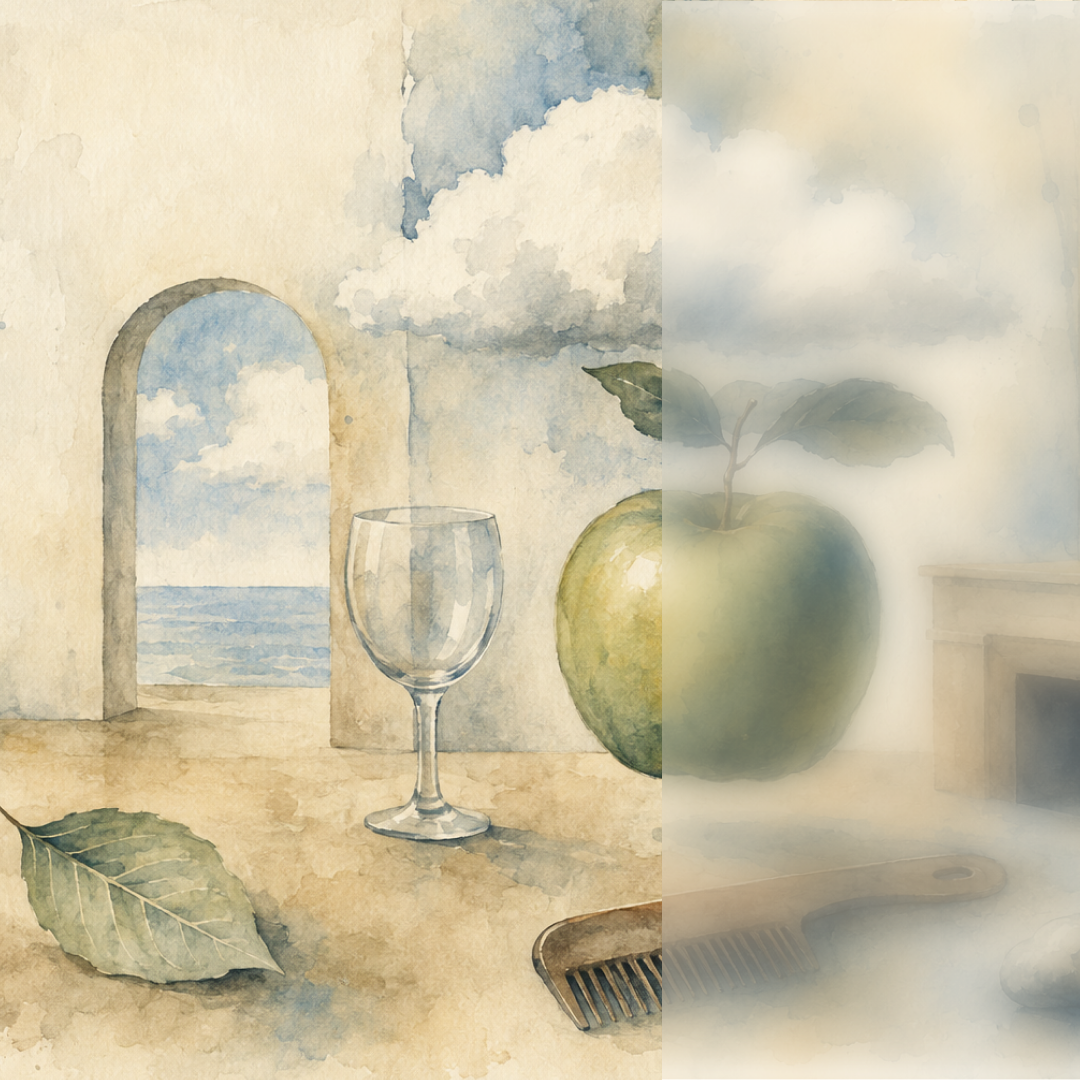
Personal values, René Magritte, 1952 / Revised by me
It lets people experience how that expertise thinks.
Untitled, Tom Friedman
Small warning before we start.
Put your content calendar aside. See, I invite you to try something next to your usual habits. It would not be easy, as your brain is not used to functioning that way. It will resist. Coming back to the practice will reinforce the new brain connections so they become a new "creative routine."
Creative concepts don't decide in advance what kind of output they are supposed to produce. They give thought somewhere unusual to begin.

I Will Not Make Any More Boring Art, John Baldessari
A content territory shows people what you know. The way you move through it shows them something much harder to communicate: how you see.
