
Reading time: 3 min
A dead canary in a coal mine? It looks like the weakest thing in the room.
It wasn’t.
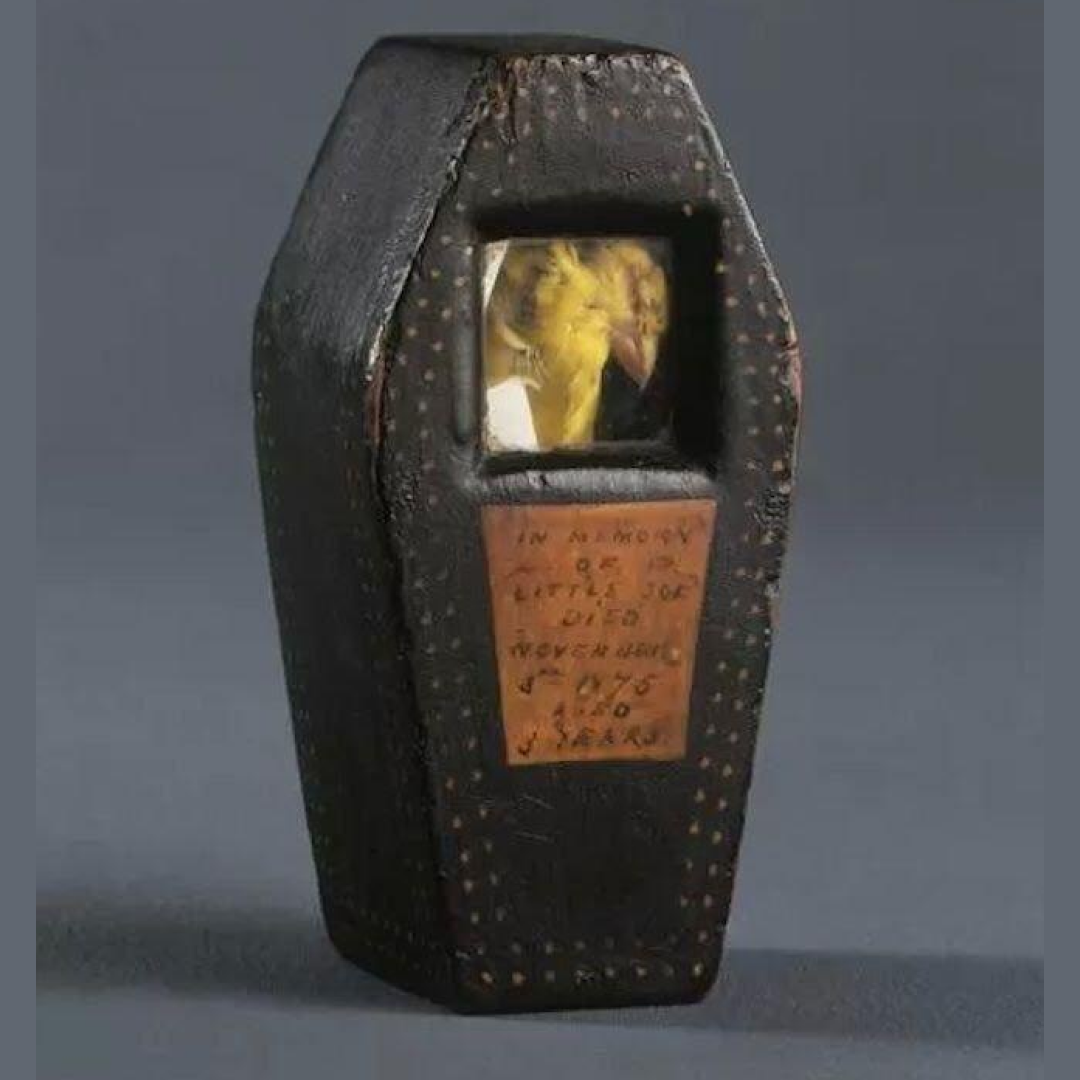
The practice goes back to the work of physiologist John Scott Haldane. After a disastrous mine explosion in Wales in 1896, he investigated what had killed the miners and identified carbon monoxide as one of the main dangers underground. The gas was particularly treacherous because people could neither see nor smell it. Haldane proposed taking small animals into mines as living detectors. Canaries turned out to be especially useful: their respiratory system made them react to toxic gases earlier than humans did.
So miners began taking them underground.
If the bird became distressed or collapsed, the miners knew something had changed in the air. This particular canary's sensitivity became a necessary tool for people's survival.
This seems obvious when we talk about mines. It becomes much harder to see in systems we are part of.
Let's take some examples of how this Canary Effect can manifest somewhere else.
A first customer who hesitates is treated as an exception. When it's repeated, we decide customers need more explanation.
Someone keeps asking the same question during a workshop, so we assume they weren’t listening and start blaming poor attention.
One employee becomes frustrated with a process everyone else seems to tolerate, so they acquire a reputation for being difficult.
The first person who disengages is called difficult. Some that follow, we start talking about lack of motivation.
A product feature nobody uses gets blamed on users not understanding its value.
The first strange metric gets dismissed as noise. More signals, and we start taking it seriously.
A first customer who hesitates is treated as an exception. When it's repeated, we decide customers need more explanation.
Someone keeps asking the same question during a workshop, so we assume they weren’t listening and start blaming poor attention.
One employee becomes frustrated with a process everyone else seems to tolerate, so they acquire a reputation for being difficult.
The first person who disengages is called difficult. Some that follow, we start talking about lack of motivation.
A product feature nobody uses gets blamed on users not understanding its value.
The first strange metric gets dismissed as noise. More signals, and we start taking it seriously.
We keep trying to repair the canary when we should be checking the air.
We are remarkably good at repairing the canary.
An early signal that I point out here does not need to have numbered foundations. If everyone is reacting, the warning stage is already over.
An early signal that I point out here does not need to have numbered foundations. If everyone is reacting, the warning stage is already over.
Every system has its canaries. Small frictions often appear long before a large failure. They may be complaints, awkward users, unusually sensitive employees, abandoned features, strange questions or statements like "I don’t know why, but something feels off," and small acts of resistance. Their value is not that they represent everybody. Their value is that they sometimes react before everybody else has a reason to. The difficult part is noticing them before we start trying to make them behave better.
We tend to classify these as noise because noise asks us to change nothing. A signal asks us to investigate and ask a different question as an alternative to "How do we stop this reaction?":
What does this reaction know about the system that we don’t?
I'll leave you here with this reflection about your canary.
Yours, Alex
Yours, Alex